
What will you learn?
Turn a defective shipment into a controlled response.
The sequence matters. Preserve the stock and proof before the supplier discussion changes the facts, then negotiate from a clear quantity, requirement, cost, and proposed remedy.
Contain the loss before debating responsibility
Pause fulfillment, customer shipments, relabeling, repair, disposal, and mixing with good stock until you know which units and cartons may be affected. Assign an internal hold location and record the date, SKU, lot or date code, carton numbers, and quantity moved there. If safety may be involved, stop use and seek qualified product-safety advice immediately.
Containment protects customers and keeps the evidence intact. It also prevents a weak claim based on a changing inventory count. If only some cartons are open, record the condition of unopened cartons before sampling. If a warehouse or prep center discovered the problem, give it written instructions not to discard packaging or alter the goods without approval.
- Create a quarantine count by SKU, carton, lot, and warehouse location
- Preserve master cartons, retail packaging, labels, inserts, and damaged units
- Record who found the problem, when it was found, and what happened next
- Stop automatic disposal, refurbishment, or customer shipment until evidence is secured
Build one evidence package the supplier can follow
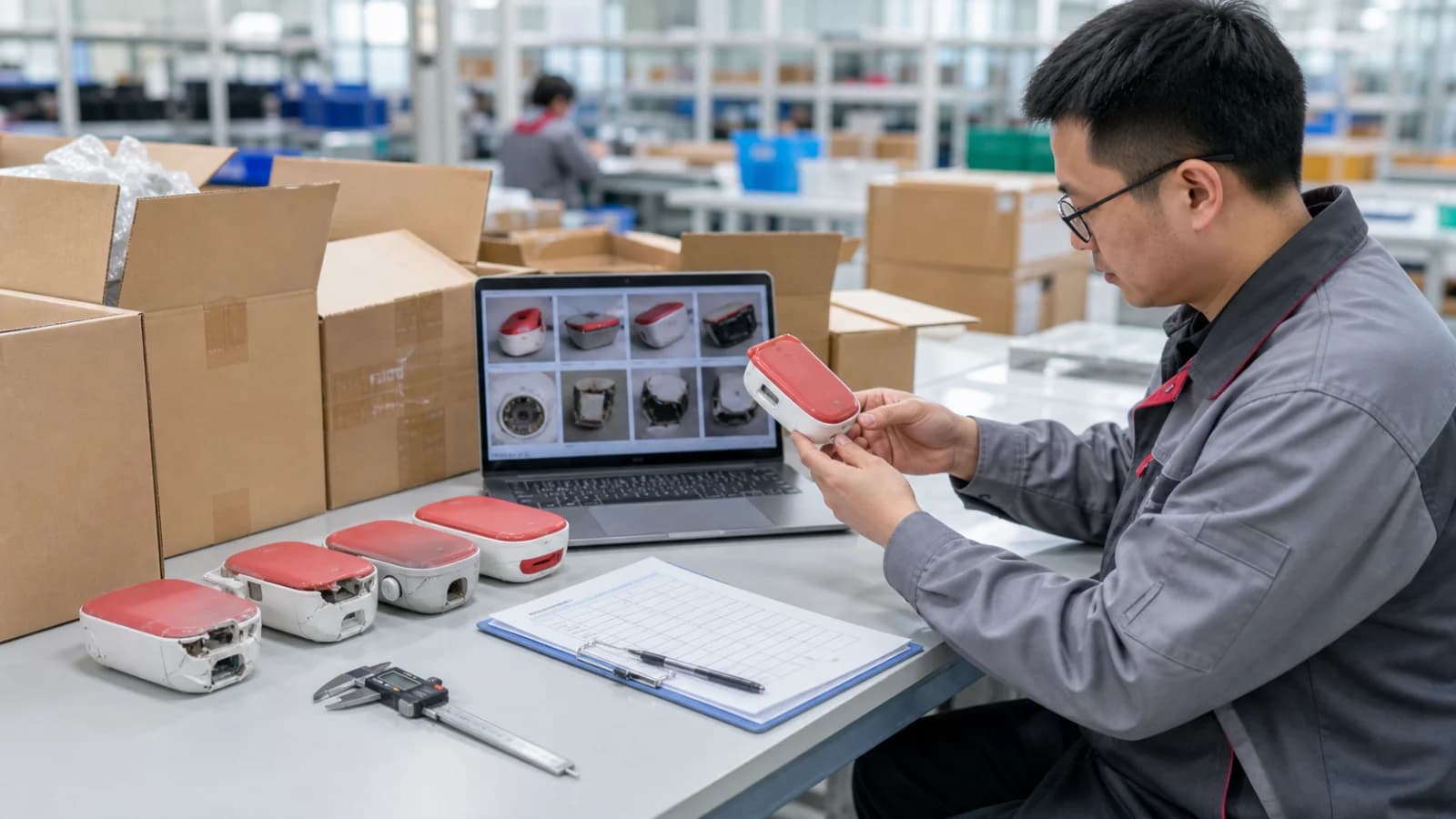
A useful claim connects four things: the goods received, the purchase requirement, the observed defect, and the affected quantity. Random phone photos rarely do that. Use a numbered evidence folder with an order summary, inbound records, carton and label photos, defect photos, sample-selection notes, test results, and the buyer-approved specification or sample comparison.
Start with wide photos that show the carton or batch, then medium views that identify the SKU, and close-ups that show the defect. Keep original files with timestamps when possible. For functional failures, record the test method, equipment, conditions, and result. A short continuous video can show a failure sequence, but it should support rather than replace clear still photos and counts.
- PO, pro forma invoice, specification, drawings, approved sample notes, and written quality requirements
- Bill of lading, packing list, receiving record, warehouse intake photos, carton marks, and SKU labels
- Numbered defect photos showing overview, product identity, close-up, and comparison with an acceptable unit
- A traceable inspection sheet listing units checked, defect categories, results, and sample-selection method
- Representative physical samples retained in their received condition when practical
Check what was actually agreed before making the claim
Compare the received goods with the signed purchase order, specification, drawings, approved sample, packaging files, inspection criteria, and written supplier commitments. Separate clear nonconformity from preferences that were never documented. The stronger the original requirement, the less room there is for the dispute to become a disagreement about expectations.
Also review notice deadlines, acceptance language, inspection clauses, warranty terms, governing law, dispute procedure, marketplace protections, and payment-channel deadlines. These terms can be time-sensitive. Preserve your rights while the evidence is being developed, and obtain qualified legal advice when the value, safety risk, or contractual complexity justifies it.
- Identify the exact requirement each defect fails
- Locate any supplier message that confirmed the material, dimension, function, finish, label, or packing point
- Check whether an approved sample controls and whether production changes required written approval
- Calendar contract, platform, payment, insurance, carrier, and customer-notice deadlines